If you picture Point Loma as one single kind of coastal neighborhood, you may be surprised by how much it changes from one pocket to the next. Some blocks feel tied to marinas and bay views, some feel quiet and residential, and others offer a more mixed housing stock with a different price point and pace. If you are trying to decide whether Point Loma fits your lifestyle and budget, this guide will help you understand how everyday life works here and which areas are worth a closer look. Let’s dive in.
Why Point Loma Feels Different
Point Loma is a peninsula community in western San Diego, with ocean exposure on one side and harbor and downtown views on the other. The City of San Diego describes it as one of the region’s oldest communities, and the Peninsula Community Plan breaks it into distinct neighborhoods and commercial areas rather than treating it as one uniform district.
That matters when you are home shopping. In Point Loma, the feel of daily life can shift quickly based on elevation, proximity to the bay, nearby commercial corridors, and the age and style of homes around you. A buyer looking for a view home, for example, will likely focus on very different streets than someone looking for a smaller condo or an older home with character.
Everyday Coastal Living in Point Loma
Point Loma offers more than coastal scenery. It blends residential living with maritime activity, local parks, and daily-use destinations that make the area feel functional as well as scenic.
Liberty Station as a Daily Hub
Liberty Station plays a major role in everyday convenience. San Diego Tourism describes it as a former Naval Training Center turned urban village with restaurants, shops, arts spaces, walking paths, open lawns, recreation, and waterfront activities like kayaking and paddleboarding.
For many residents, that means errands and leisure can happen in the same part of town. You can grab a meal, enjoy open space, or spend time near the water without leaving the peninsula.
Shelter Island and Marina Culture
If you are drawn to boating or waterfront routines, Shelter Island is one of Point Loma’s defining lifestyle anchors. The Port of San Diego lists multiple marinas in the Point Loma and Shelter Island area, including Point Loma Marina, Shelter Cove Marina, and Kona Kai Marina, along with several yacht clubs and guest docks.
Even if you do not own a boat, that harbor setting shapes the atmosphere. Certain parts of Point Loma feel closely connected to the bay, marine businesses, and a more active waterfront rhythm.
Outdoor Access Shapes Daily Life
Outdoor access is one of the biggest reasons buyers look seriously at Point Loma. Cabrillo National Monument sits at the southern end of the peninsula and includes coastal trails, tidal habitats, and wide views of the harbor, city, and ocean.
The community plan also points to Sunset Cliffs, Shelter Island, Cabrillo, and Liberty Station NTC Park as major recreational resources. In practical terms, that means outdoor space is not an occasional bonus here. It is part of how many residents spend a regular afternoon or weekend.
A Strong Neighborhood Identity
Point Loma often feels more connected and self-contained than buyers expect. The Point Loma Association maintains green spaces, supports beautification work, and hosts community conversations and events across the peninsula.
That kind of civic involvement helps explain why Point Loma can feel like more than just a collection of homes near the coast. There is a visible sense of local stewardship that many buyers value.
Point Loma Housing Options by Area
One of the most important things to understand is that Point Loma housing is not one-size-fits-all. The peninsula includes bay-adjacent homes, older character properties, postwar neighborhoods, multifamily pockets, and view-oriented hillside streets.
La Playa and Kellogg Beach
La Playa and the Kellogg Beach area are among the most classic bay-adjacent pockets in Point Loma. The community plan describes large single-family homes in colonial, Spanish, and contemporary styles, along with some apartment and condominium developments south of McCall Street.
The plan also notes estate-sized properties along the bay and above Rosecrans, with hillside views toward San Diego Bay and downtown. If your priority is a view-heavy or bay-oriented home, this is one of the clearest areas to watch.
Roseville and Shelter Island Edge
Roseville has a more urban and mixed feel than some of the peninsula’s quieter residential pockets. According to the community plan, the area includes apartments, a large condominium complex, smaller one-story single-family homes, and a mix of single-family and multifamily housing in different sections.
Its relationship to Shelter Island and nearby marine-related businesses gives it a harbor-oriented character. For buyers open to varied housing types and a more mixed-use setting, Roseville may offer options that feel different from the hilltop neighborhoods.
Wooded Area
Wooded Area stands out for its low-key residential atmosphere. The community plan describes large lots, exclusively single-family homes of varying ages and styles, and a landscape shaped by eucalyptus and evergreen trees.
Narrow and sometimes unpaved roads add to the area’s distinct feel. If you want a more tucked-away, residential setting within Point Loma, Wooded Area is one of the peninsula’s most unique pockets.
Fleetridge
Fleetridge is largely a postwar single-family neighborhood developed mostly in the 1950s. The community plan says it is made up primarily of one-story homes with cedar shake roofs on larger lots than many other peninsula tracts.
For buyers who want a traditional residential neighborhood with a more classic midcentury footprint, Fleetridge is often part of the conversation. It tends to appeal to people looking for a quieter inland residential feel while staying close to Point Loma’s coastal amenities.
Point Loma Highlands
Point Loma Highlands sits along the crest of the hill running north to south through the peninsula. The community plan describes it as a single-family neighborhood that is generally well landscaped and maintained.
For some buyers, this area offers a strong balance. You stay in Point Loma while getting a more classic residential setting that feels less tied to marina activity or tourist destinations.
Loma Portal
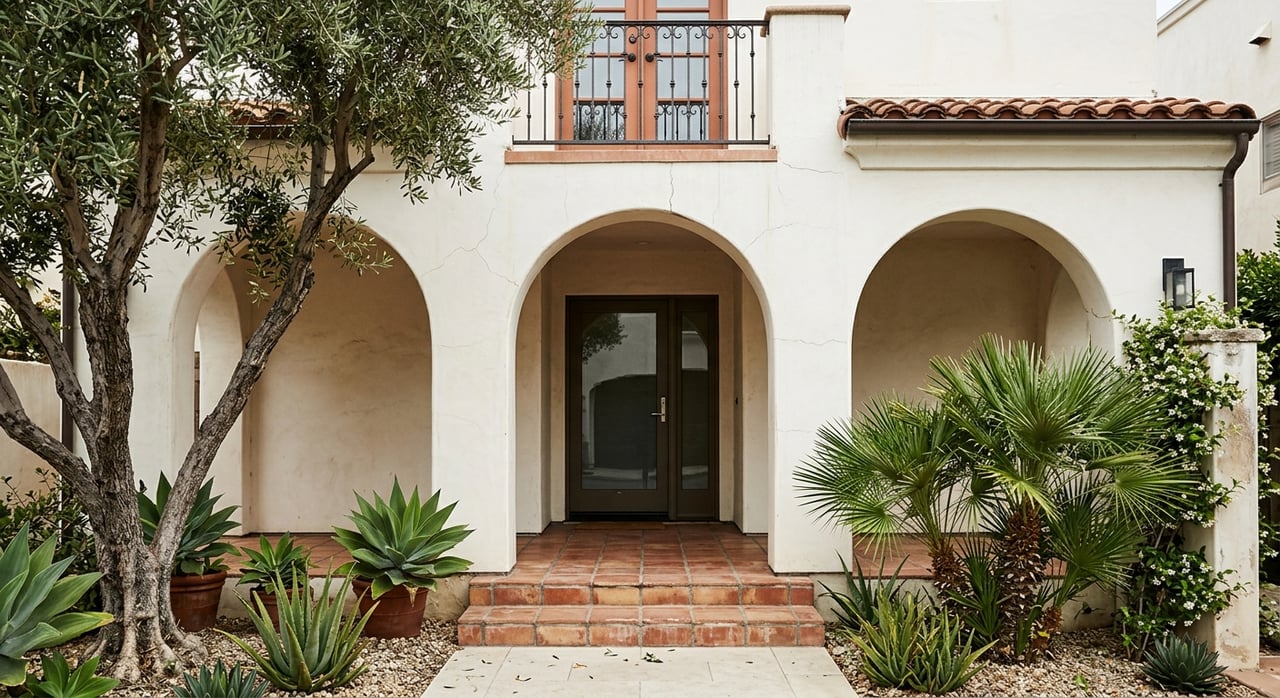
Loma Portal is one of the older parts of the peninsula and has a distinctive visual identity. The community plan notes winding concrete streets, old street lights, landscaping, and many homes with Spanish styling, pastel stucco, and red tile roofs.
It also includes the Point Loma High School area and the Voltaire Street commercial district. Buyers who like older homes and established neighborhood character often put Loma Portal on their shortlist.
Loma Palisades and Loma Alta
Loma Palisades and Loma Alta offer some of the peninsula’s more mixed and less estate-oriented housing choices. The community plan describes Loma Palisades as almost entirely multifamily apartment development, generally two to four stories.
Loma Alta includes a mix of single-family homes and small-scale multifamily housing, with some older homes in need of repair. If you are looking for a more attainable entry point into the area, these pockets may offer options that differ from Point Loma’s higher-profile view neighborhoods.
Ocean Beach Highlands
Ocean Beach Highlands includes both single-family and multifamily structures, many of which predate World War II. The area is also described as having generally wide streets and mature trees.
That gives it a more established and less formal residential character. For buyers who value older housing stock and a lived-in neighborhood feel, this area may be worth comparing with other mixed-stock parts of the peninsula.
Sunset Cliffs
Sunset Cliffs is exclusively single-family, with most homes described in the community plan as one- and two-story structures in relatively contemporary styles. The area also includes Point Loma Nazarene University and Sunset Cliffs Shoreline Park.
That gives it a strong coastal identity. If direct coastal edge and a single-family setting matter most to you, Sunset Cliffs is one of the peninsula’s signature areas.
What the Market Suggests Right Now
Current data reinforce how block-specific Point Loma really is. Realtor.com’s March 2026 snapshot shows a median listing price of about $1.4925 million for Point Loma Peninsula, with sub-neighborhood pricing ranging from roughly $679,000 in Loma Palisades to $3.19 million in La Playa.
The same snapshot places Roseville at about $1.272 million, Loma Portal around $2 million, and Sunset Cliffs around $2.56 million. It also shows very limited active supply in several signature pockets, including Fleetridge, Liberty Station, Point Loma Highlands, Sunset Cliffs, and Wooded Area.
Redfin reports a median sale price of $1.52 million and describes the market as very competitive. Realtor.com’s 92106 snapshot shows homes selling at about 99% of asking price with a median 33 days on market, which supports the broader takeaway that Point Loma is expensive, tight on supply, and highly sensitive to exact location.
Getting Around Point Loma
Driving is still the most practical way to get around Point Loma. The peninsula’s main corridors include Rosecrans, Nimitz, Catalina, and West Point Loma Boulevard, and traffic tends to funnel through a limited number of routes.
That makes location especially important when you think about your daily routine. Two homes may both have a Point Loma address, but one may feel much easier for commuting, school runs, shopping, or getting in and out of the neighborhood.
Transit exists, but it is more supplemental than comprehensive. MTS Route 35 connects Ocean Beach and Old Town Transit Center, while weekday-only Route 923 links Old Town with parts of Midway, Rosecrans, West Point Loma, Groton, and the Cable and Voltaire corridor.
Old Town Transit Center adds broader regional connections, including trolley lines, COASTER, Amtrak, buses, and the Airport Flyer. For some buyers, that makes Point Loma workable with lighter car use, but most residents still rely on driving for day-to-day convenience.
How to Narrow Your Search
If you are considering Point Loma, the smartest approach is to match your home search to your actual routine. Start with how you want to live, then compare neighborhoods based on housing type, setting, and access.
Here are a few helpful ways to frame your search:
- If you want bay views or marina access, focus on La Playa, Kellogg Beach, and select hillside or harbor-adjacent pockets.
- If you want a quieter residential feel, compare Wooded Area, Fleetridge, and Point Loma Highlands.
- If you like older homes with character, look closely at Loma Portal and parts of Ocean Beach Highlands.
- If you want more mixed housing options, explore Roseville, Loma Alta, and Loma Palisades.
- If you want a strong coastal-edge setting, Sunset Cliffs will likely stay high on your list.
In a market this specific, broad assumptions can cost you time. A focused plan, fast communication, and a clear sense of tradeoffs matter, especially when inventory is limited and the right fit may only appear in one or two small pockets.
Point Loma can be an exceptional place to live, but the best match depends on what you value most in your home and your day-to-day routine. If you want help comparing Point Loma micro-areas, evaluating current inventory, or building a smart buying strategy for this highly competitive part of San Diego, Brian Bazinet - Main Site can help you move forward with clarity.
FAQs
What is daily life like in Point Loma, San Diego?
- Point Loma combines coastal access, marina activity, neighborhood commercial areas, and major outdoor spaces like Liberty Station, Shelter Island, Sunset Cliffs, and Cabrillo National Monument.
Which Point Loma neighborhoods have more varied housing options?
- Roseville, Loma Alta, Loma Palisades, and parts of Ocean Beach Highlands tend to offer more mixed housing types than the peninsula’s single-family-only pockets.
Which Point Loma areas are known for single-family homes?
- Wooded Area, Fleetridge, Point Loma Highlands, Sunset Cliffs, and much of La Playa are all associated with single-family housing, though the home styles and lot sizes vary by area.
Is Point Loma a competitive housing market?
- Yes. Current market data indicate a high-priced, limited-supply market where homes are selling close to asking price and conditions can vary meaningfully by micro-area.
How do you get around Point Loma day to day?
- Most residents rely on driving, with Rosecrans, Nimitz, Catalina, and West Point Loma Boulevard serving as key routes, while bus service and Old Town transit connections provide added options for some commuters.